Welcome to our blog
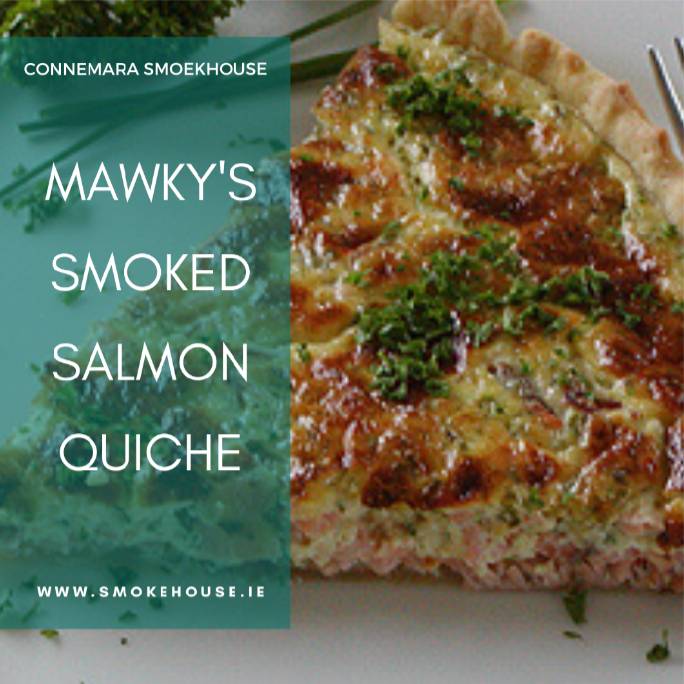
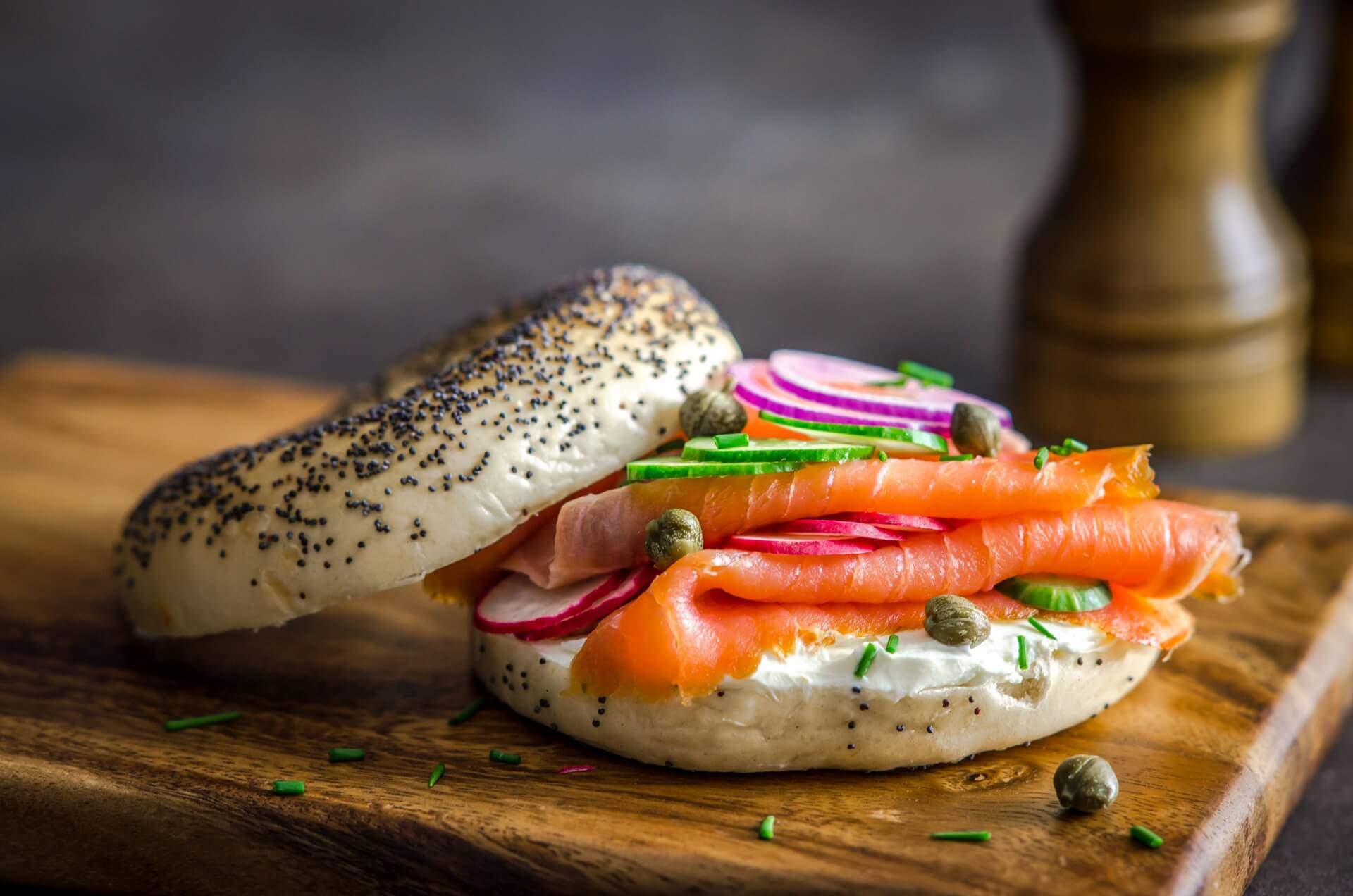
Salmon Quiche is lovely made with fresh salmon, but even better with smoked salmon.
The filling is super easy to make. Keeping long-lasting essential ingredients on hand in the fridge, freezer, and cupboard quickly solves the ‘what’s for dinner’ question. And with this super simple, quick quiche recipe, you won’t have to ponder that question for breakfast, brunch or lunch.
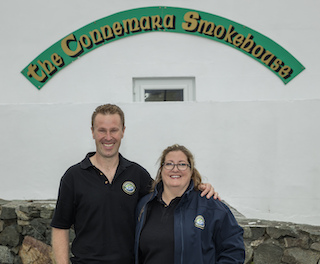
Connemara Smokehouse has been shortlisted for the “Sustainability Award” Read more
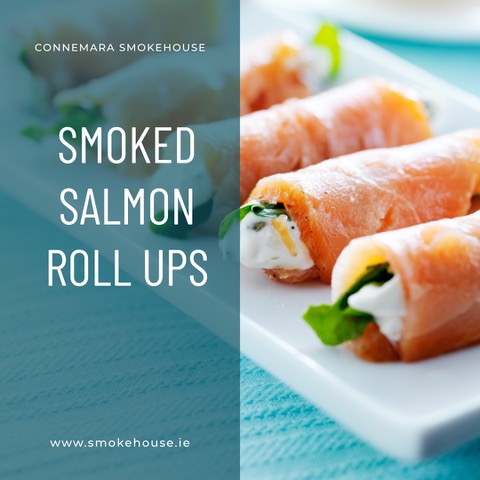
Elevate your smoked salmon into a delightful appetiser with these Smoked Salmon Roll Ups. The salmon enfolds a creamy blend of whipped cream cheese, zesty chives, and refreshing lemon zest.
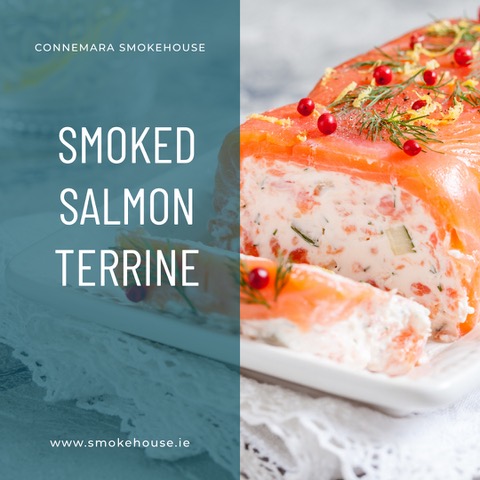
An ideal choice for any special occasion, the smoked salmon terrine recipe is a guaranteed showstopper. Despite its sophisticated and elegant appearance, preparing this dish is surprisingly simple and hassle-free.
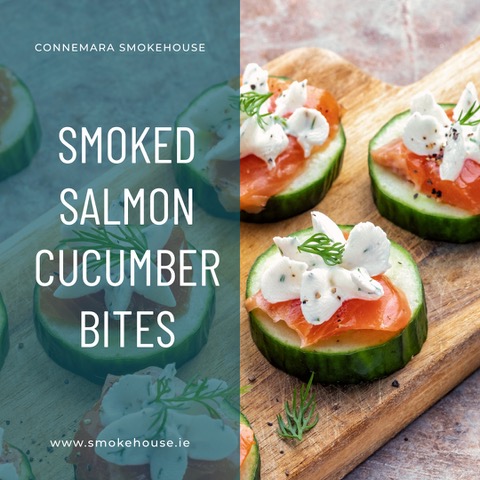
Fast, easy, healthy, and delicious smoked salmon cucumber appetizer recipe that requires only a handful of ingredients. It doesn’t get easier than that.
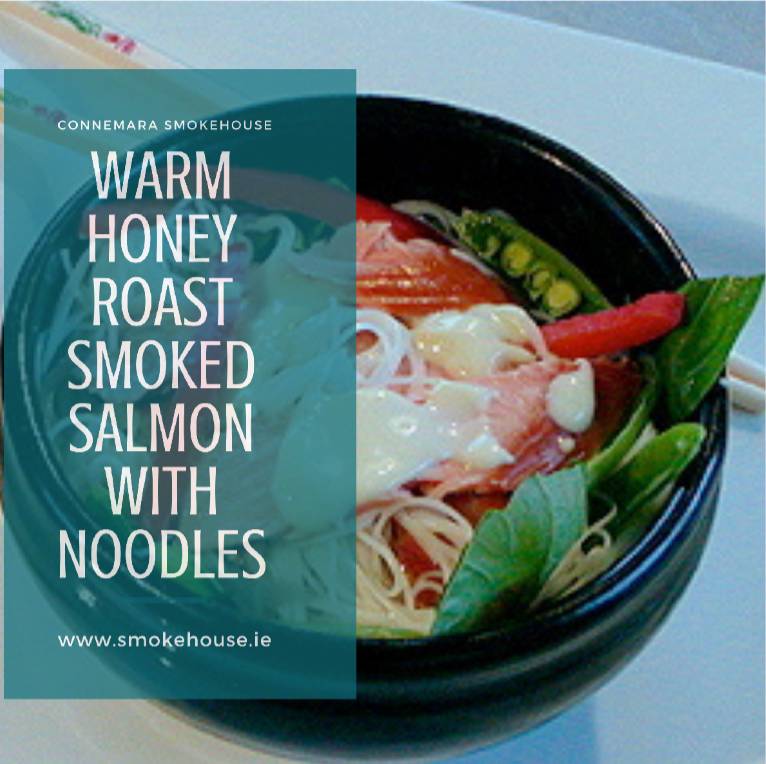
Honey and mustard is a winning combination for salmon, but when you add pasta to the mix, you get a dish that is bound to impress everyone.
Need a new pasta dish for the whole family? Ramp up your next dinner with this scrumptious Honey Smoked Salmon with Noodles dish.
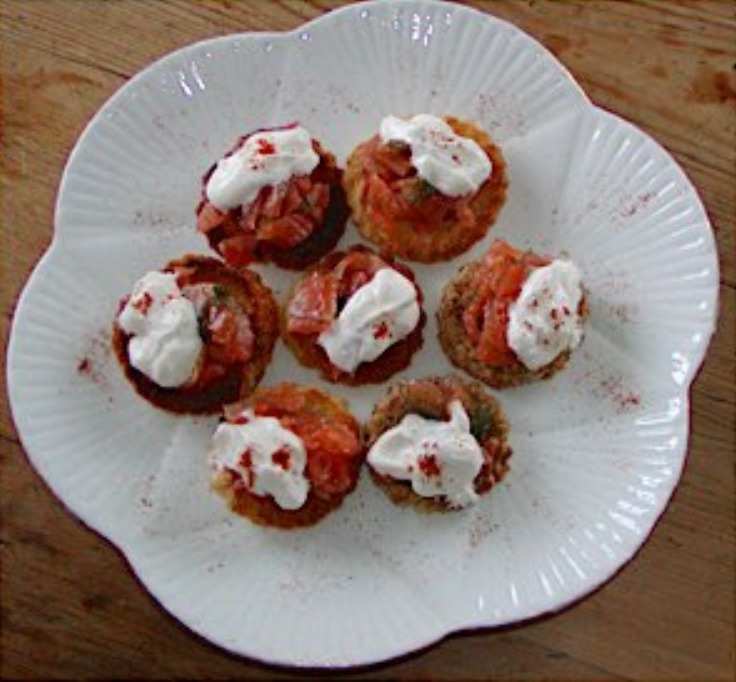
This Recipe Makes 12 Croustades
Our latest recipe for delicious croustades is perfect for a snack or to serve as an appetiser.
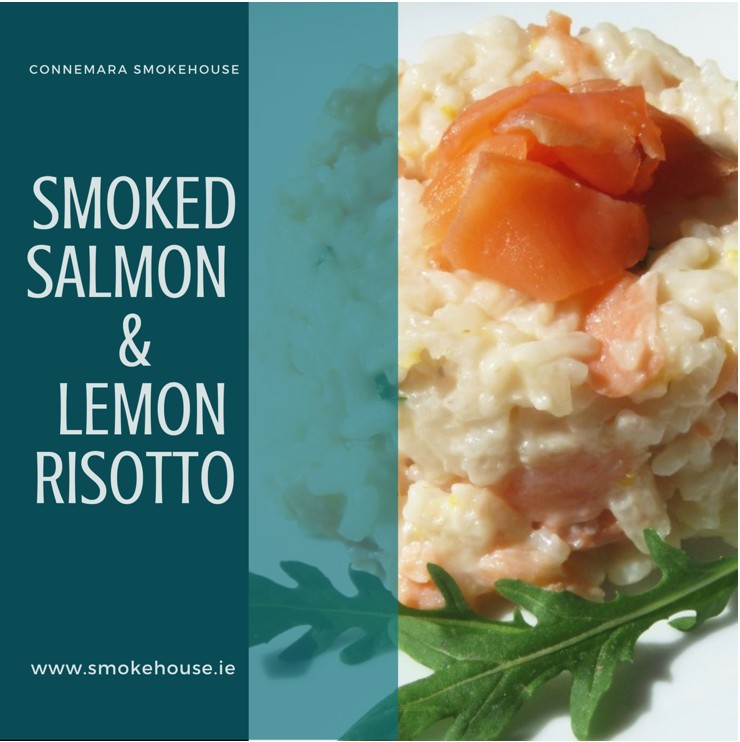
Not sure you can make a great risotto? Think again - this zesty, delicious salmon risotto will quickly become your go-to dinner party dish.
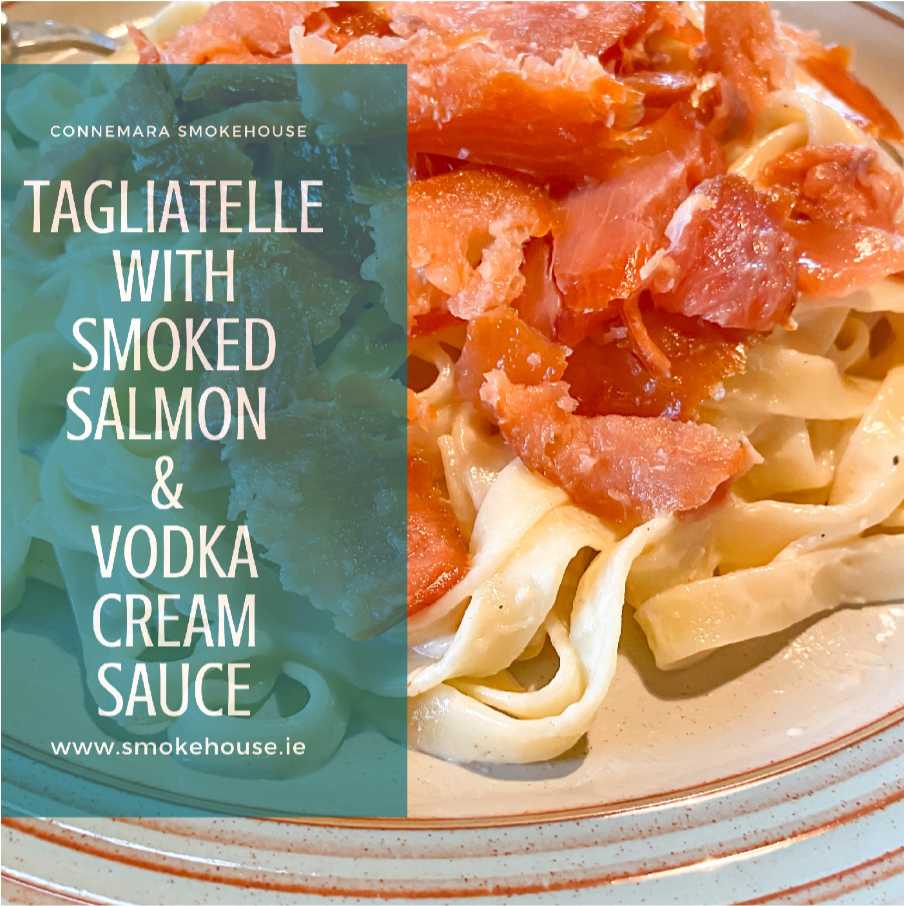
Is there anything better than a plate of pasta with smoked salmon and vodka sauce? We think not. Try one of our popular recipes for another way to cook our fresh, organic salmon. This creamy pasta dish is simple to make yet delicious.
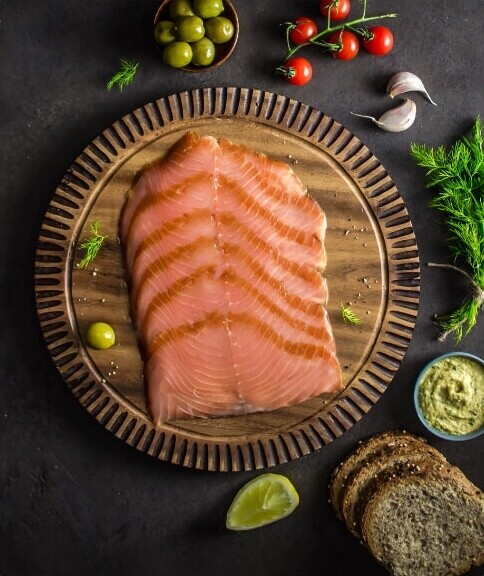
As seen on RTE Television – Donal Skehan ‘Kitchen Hero –Donal’s Irish Feast’
Donal’s version of Eggs Benedict which is a poached egg served on a crispy potato cake that gets baked in the oven slice of brioche and a warm butter sauce, which is much lighter than Hollandaise. It is also fantastic served with slices of hand-carved cooked ham or crispy bacon.
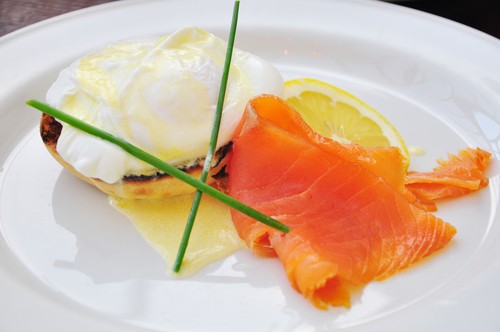
This Eggs Benedict Royale is a seafood twist on the classic Eggs Benedict. It’s made with fresh smoked salmon, poached eggs, and a creamy beaurre blanc sauce.
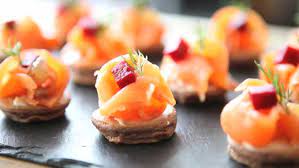
Easter isn’t just for children so our good friend Gü’s Head Chef, Fred Ponnavoy says, get into Easter for grown-ups with an expert lesson on party canapés to serve at gatherings. Perfect for Easter entertaining, these indulgent treats work well to help create a sensational soiree. Try this recipe with Connemara Smokehouse Organic Smoked Salmon you won’t be disappointed!
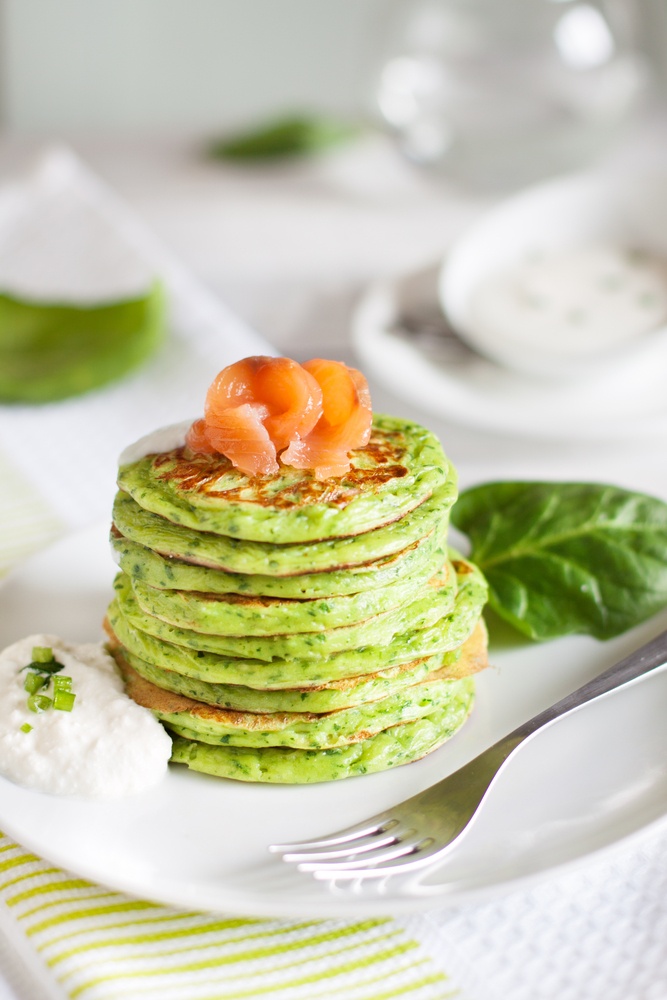
Hot Smoked Salmon Cakes with Dill Mustard Dressing...Hot Cakes Räucherlachs mit Dill-Senf-Dressing...Hot Cakes de saumon fumé à l'aneth vinaigrette à la moutarde...

Connemara Smokehouse is to play a big part in the Failte Ireland’s ‘Taste the Island’ initiative.
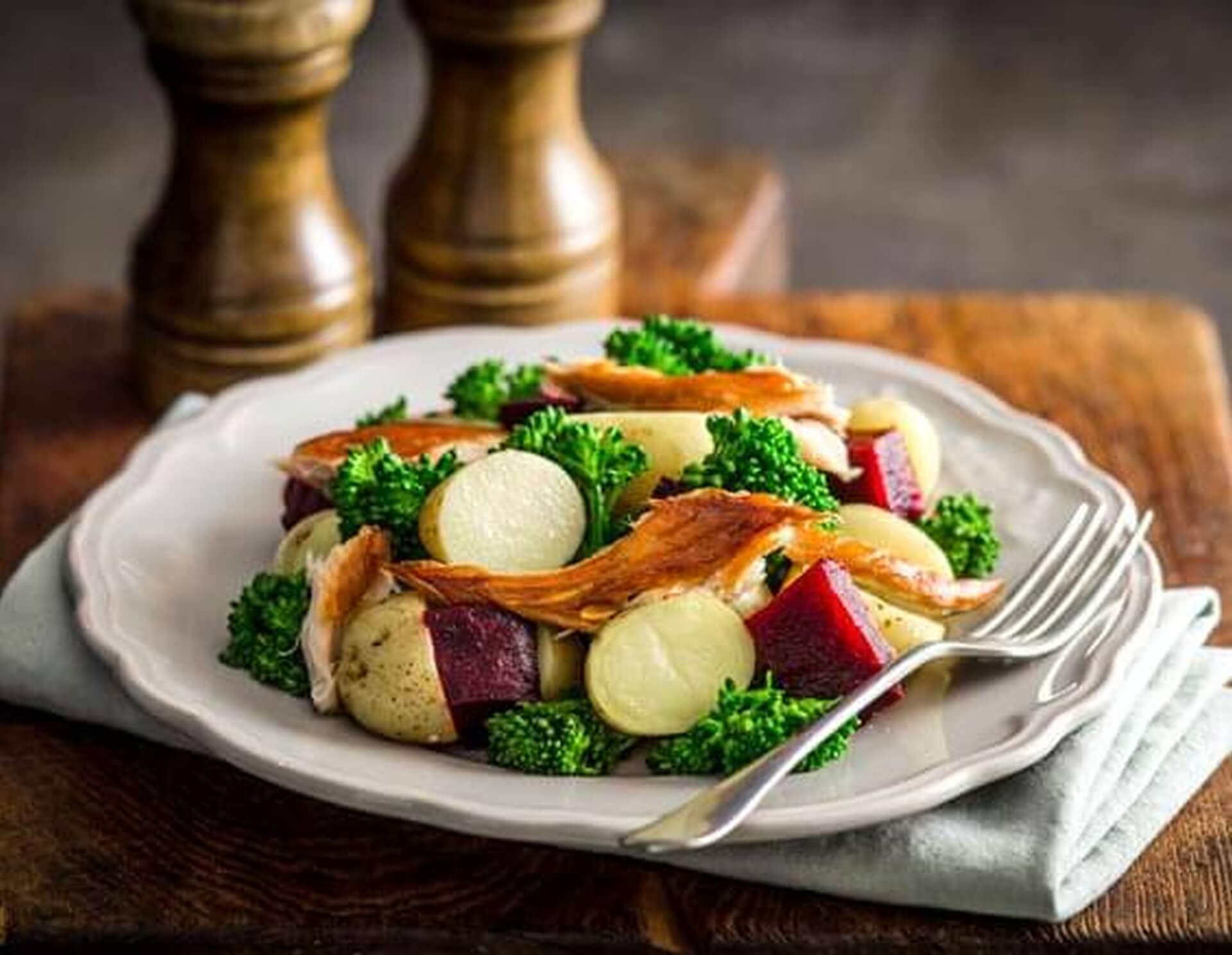
Smoked mackerel is excellent for summer salads or if you fancy trying your hand at making a smoky pate or dip, this is a wonderful addition.
French travel guides broadly equivalent to the Lonely Planet series in English. This salmon smokehouse is known worldwide for its ancestral know-how, transmitted from generation to generation in the Roberts family.
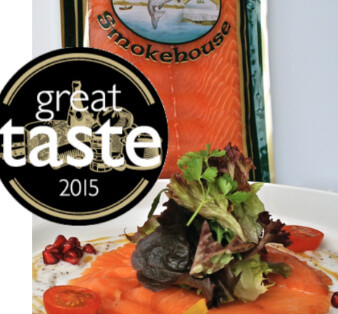
Connemara Smokehouse are proud to win GOLD at the Great Taste Awards 2015. It’s not easy winning stars in the #GreatTasteAwards. Only 31% of the 10,000 products entered scooped an
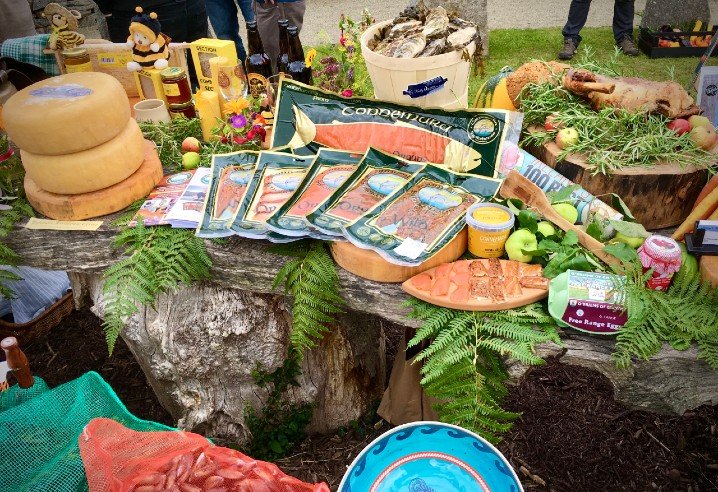
A long time ago in Ireland there lived a very Read more
We are delighted to win Tripadvisor 2019 Certificate Of Excellence. Thank you all for the feedback. It’s much appreciated and helps us build towards a successful future. Thank you all.
We have been shortlisted for A Great Shopping Experience with Inflightflix International, well done #TeamSmokehouse #OdSmoky
Connemara Smokehouse visited and showcased with fellow Galway Producers at the Read more
Connemara Smokehouse Smoked Mackerel winner at the Irish Food Writers Guild Award. We are absolutely thrilled with the award, it’s so nice to get this recognition from such a respected organisation. Thank you also for the
Its all down to our wonderful team who go over and above the call of duty everyday. We would like to thank everyone who has given us great reviews and we hopeful continued
We are all excited and delighted, in just a few weeks we were honoured with another award..
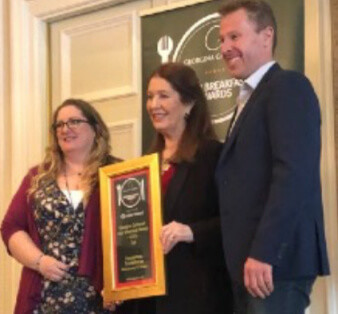
Smoked fish plays an important role in Irish breakfast on the buffet and as a key ingredient in hot dishes such as Smoked Salmon with scrambled egg but quality is paramount to avoid
IFWG (Irish Food Writers’ Guild Award) Food Awards celebrate indigenous food producers and organisations who create, make and share great Irish produce and products while helping to maintain Ireland’s outstanding international reputation in food and drink.
Duchess of Cornwall Camilla meets Connemara Smokehouse on Royal Visit to Ireland...
Irish food producers could be set for quite a coup. Read more
Connemara Smokehouse very excited and looking forward to meeting, greeting and serving our Smoked Seafood at the #?RoyalVisitGalway #WildAtlanticWay @BritEmbDublin @The_House_Hotel @ClarenceHouse...
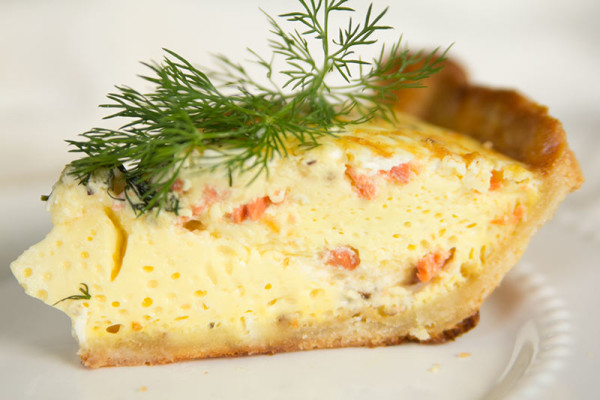
Gluten Free Smoked Salmon Quiche with Fresh Dill... Gluten fumé gratuit Quiche au saumon avec aneth frais, Räucherlachs-Quiche mit frischem Dill...
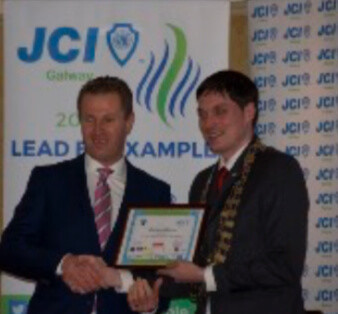
Graham Roberts 2015 Finalist at the JCI Young Entrepreneur of the Year Award
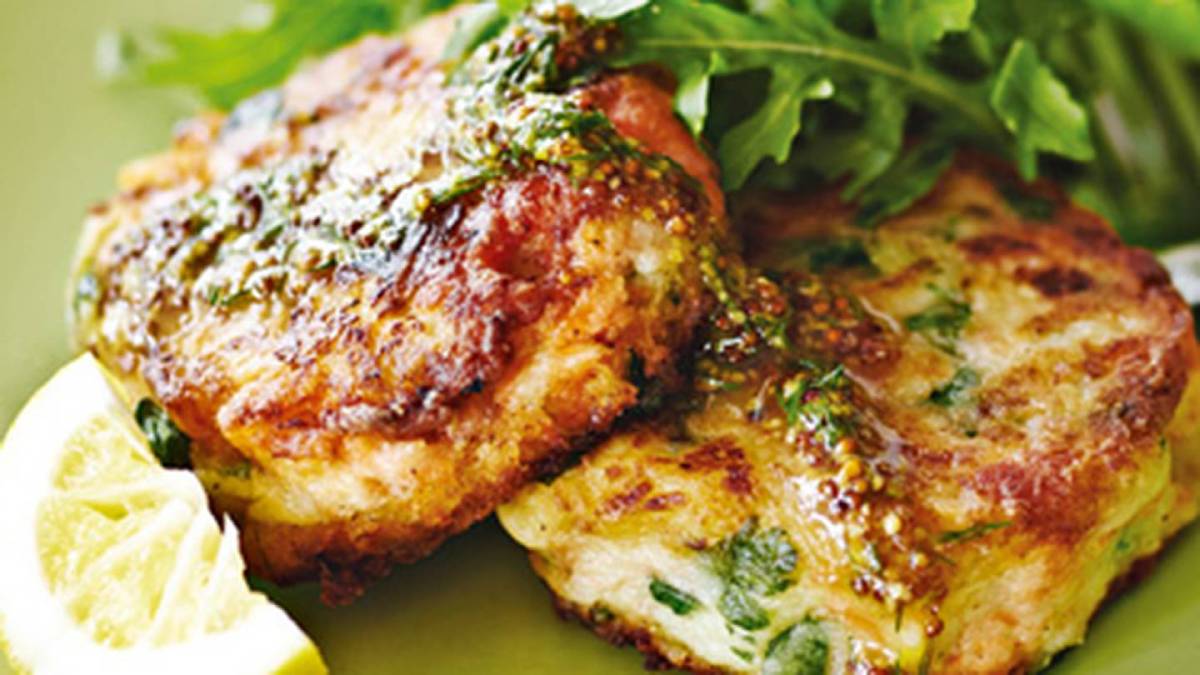
Hot Smoked Salmon Cakes with Dill Mustard Dressing...Hot Cakes Räucherlachs mit Dill-Senf-Dressing...Hot Cakes de saumon fumé à l'aneth vinaigrette à la moutarde...
Ireland’s smoked salmon deserves its own category. Salmon has been eaten in Ireland since prehistoric times and ties into Celtic mythology—the Salmon of Knowledge was considered the wisest of creatures.
International Coq d’Or Award for Connemara Smokehouse (2014-2020) The multi Read more
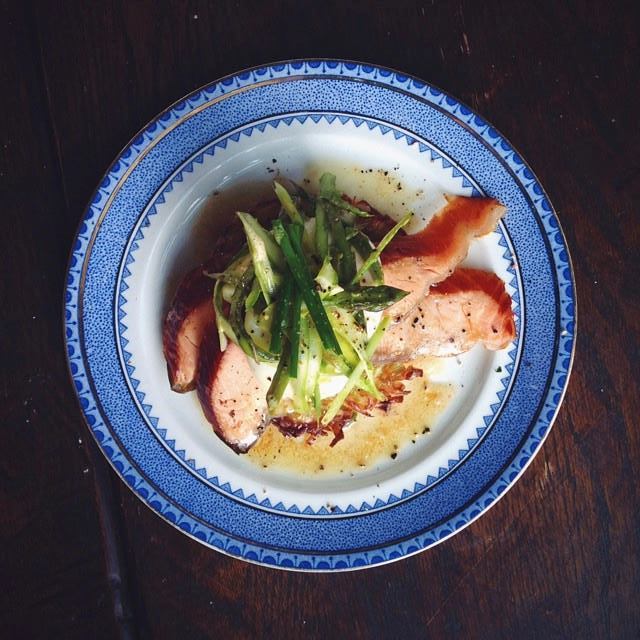
Connemara Smokehouse Honey Roast Smoked Salmon with crispy potato cakes and asparagus curls as seen on RTE Television Kitchen Hero - Donal's Irish Feast...
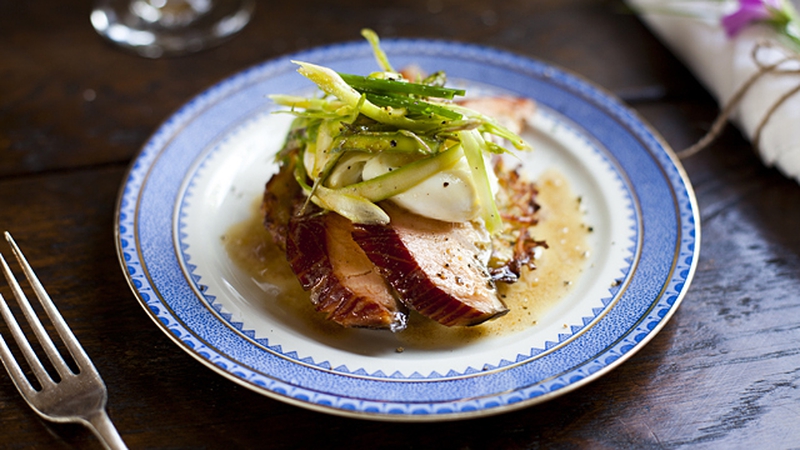
Donal Skehan brand new series, Kitchen Hero: Donal’s Irish Feast which, as the name implies, offers a culinary and visual spectacle.
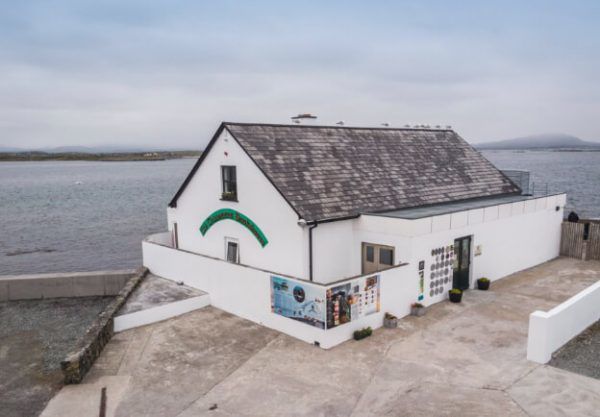
One of the best fish smokers in the west of Ireland is Graham Roberts of Connemara Smokehouse, and visitors to Connemara are in for a treat when they see the smokehouse signed between Clifden and Ballyconneely – it’s well worth allowing time to call in and see
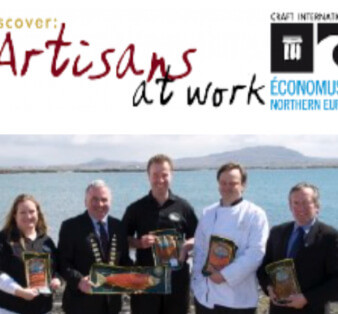
An Économusée is an important cultural tourism attraction and contributes to the sustainability of rural areas through the creation of direct employment and by providing an
I had met Graham Roberts, the owner of Connemara Smokehouse, at food demonstrations and knew he was a serious and very energetic producer. I had also seen that he was an official ‘food hero’ as appointed by Rick Stein and has now been bestowed with the title of ‘super hero’, The title of super hero is for those whom Rick deems to be the best of the best.
It’s all done in the traditional way and you can tell. The smoked mackerel was particularly good - softer than most and not dried out like a lot of the smoked mackerel...
Populated with a healthy population of seagulls. The place has a puzzling small chimney for a 'smoke' house! We just called in on Monday morning and bought some fresh organic smoked salmon, which we had for breakfast on brown bread with coffee. It was divine – a lovely subtle smoked salmon that melts in the mouth.
On a rock arch is time for the rest. Brian grabs from wild salmon, Ballyconneely is on the label. This is the smokehouse of Roberts, the art because of their love for quality and old crafts as "guardians of the smoked fish" or even "Food Heroes" apply, such as fish chef Rick Stein says of the BBC. The salmon is delicious, the same Pinot Gri-gio. There are sandwiches with fresh Atlantic crab, stuffed Pou-let with tomato bread and strawberries for dessert.
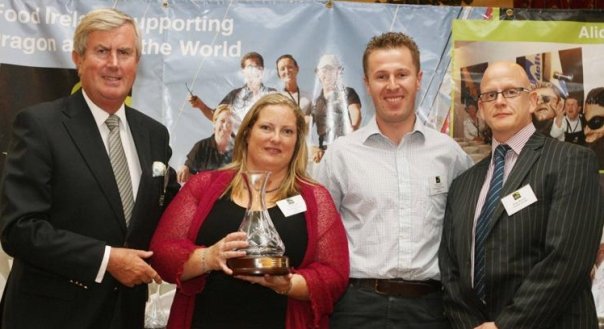
Connemara Smokehouse wins Good Food Ireland Award at Artisan Picnic Read more
What is it about a trip to the beach that makes us so hungry? Here reveals Ireland's best food beaches and where to quell those rumbling stomachs. One destination on its food map - Connemara Smokehouse.